
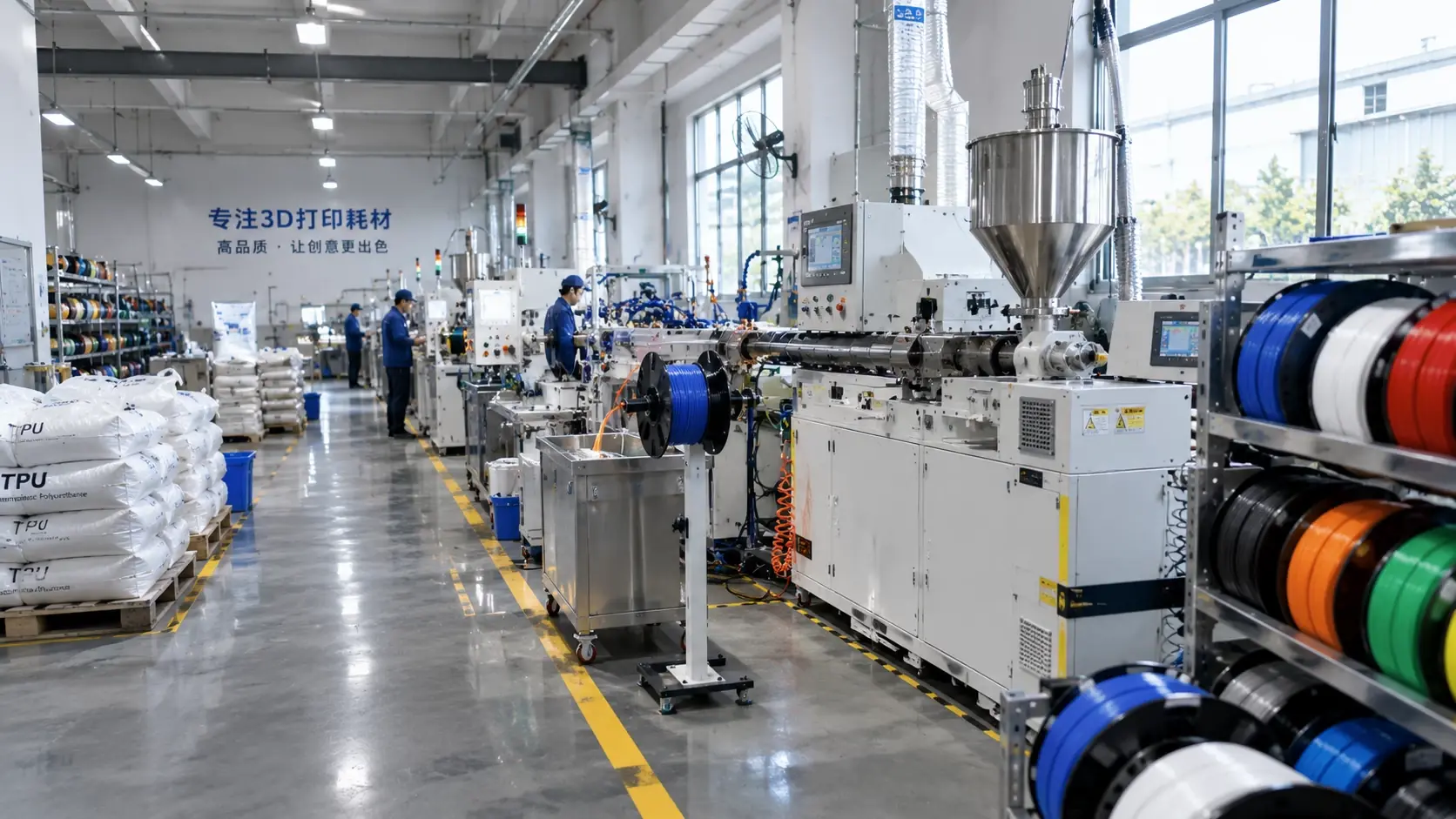
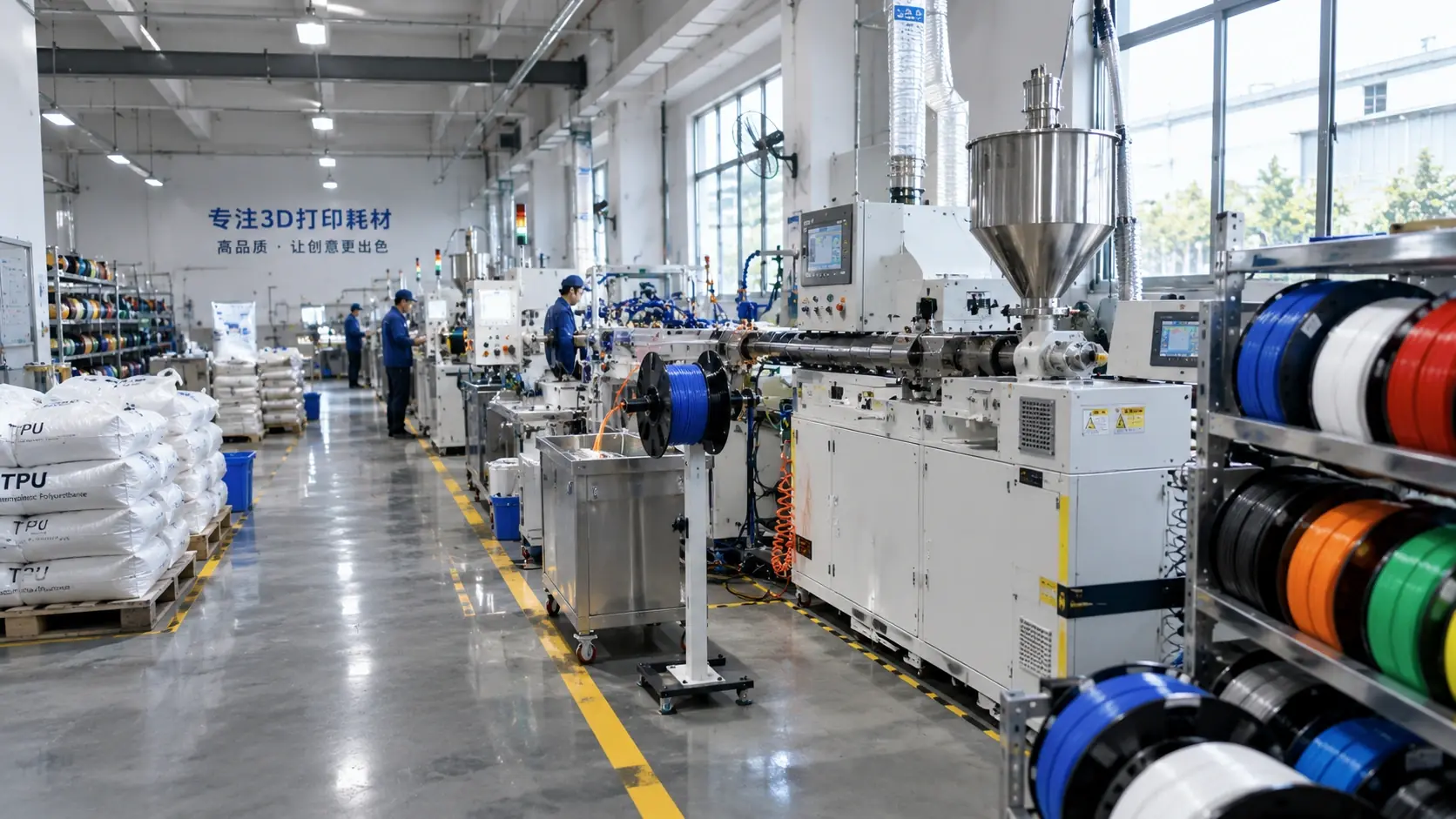
Bottom line: batch tracking links raw material, process settings, in-line inspection and finished product. It keeps quality consistent between shipments and makes it possible to trace a defect back to its cause quickly. For B2B buyers, traceability is a supply requirement, not optional paperwork.
What to record
| Stage | Data |
|---|---|
| Raw material | Supplier, grade, lot number |
| Production | Temperature, speed, extrusion, cooling |
| In-line inspection | Diameter, ovality, surface defects |
| Final inspection | Diameter, color, properties, test print |
| Finished product | Batch number, date, retained sample |
Why it matters
- Reduces variation between deliveries.
- Speeds up root-cause analysis.
- Supports customer audits and approvals.
- Makes technical offers comparable.
Costly mistakes
- Recording output quantity only.
- Not recording the raw-material lot.
- Adjusting process settings without a log.
- Keeping retained samples for too short a time.
- Not notifying customers of material changes.
Buyer / engineer checklist
- Is the raw-material lot traceable?
- Are process settings logged and versioned?
- Are inspection records complete?
- Is a sample retained per batch?
- Are changes communicated?
We can help design a traceability procedure based on your current production flow.Quality support