
FilamentLab
Quality Control
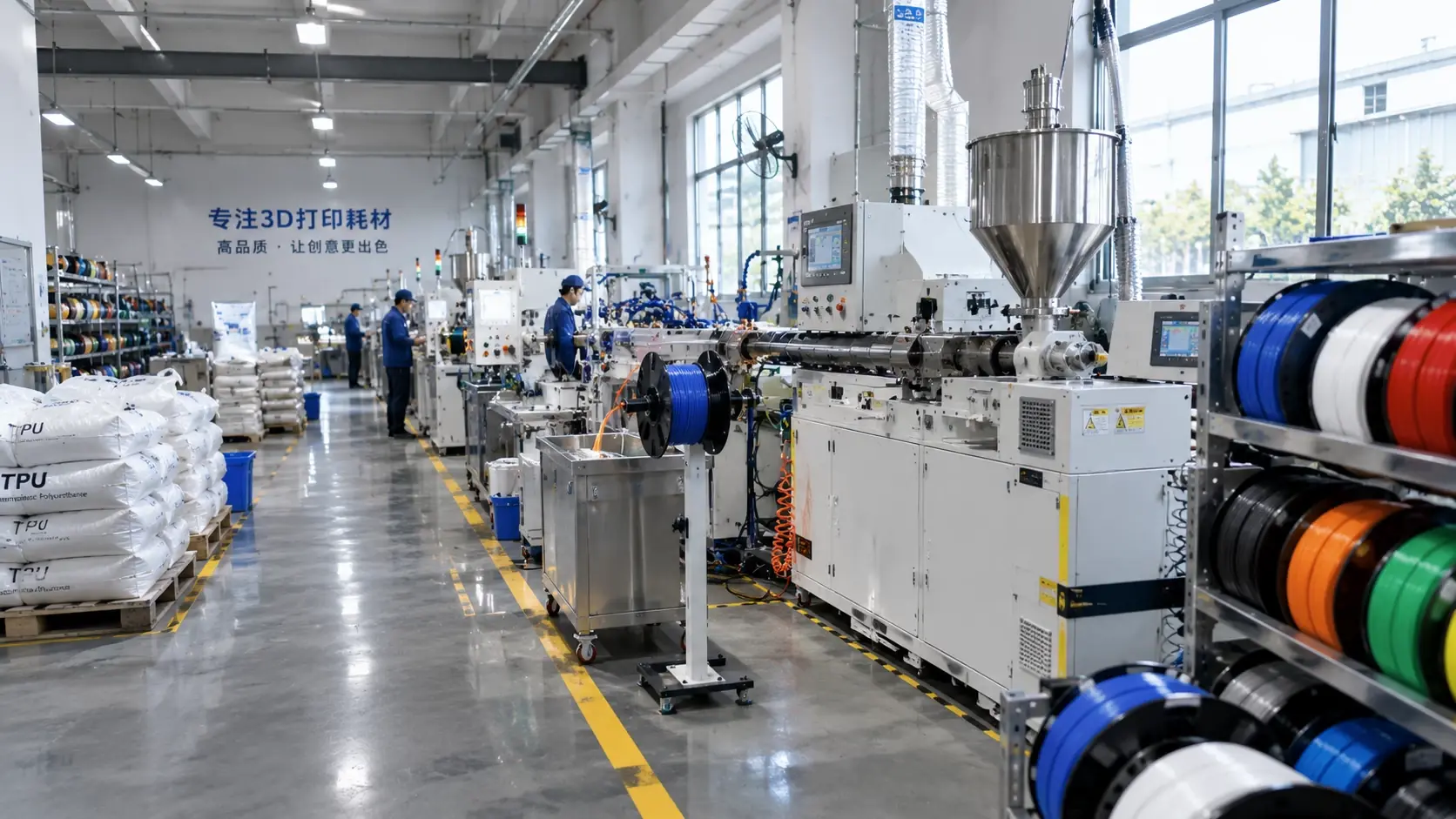
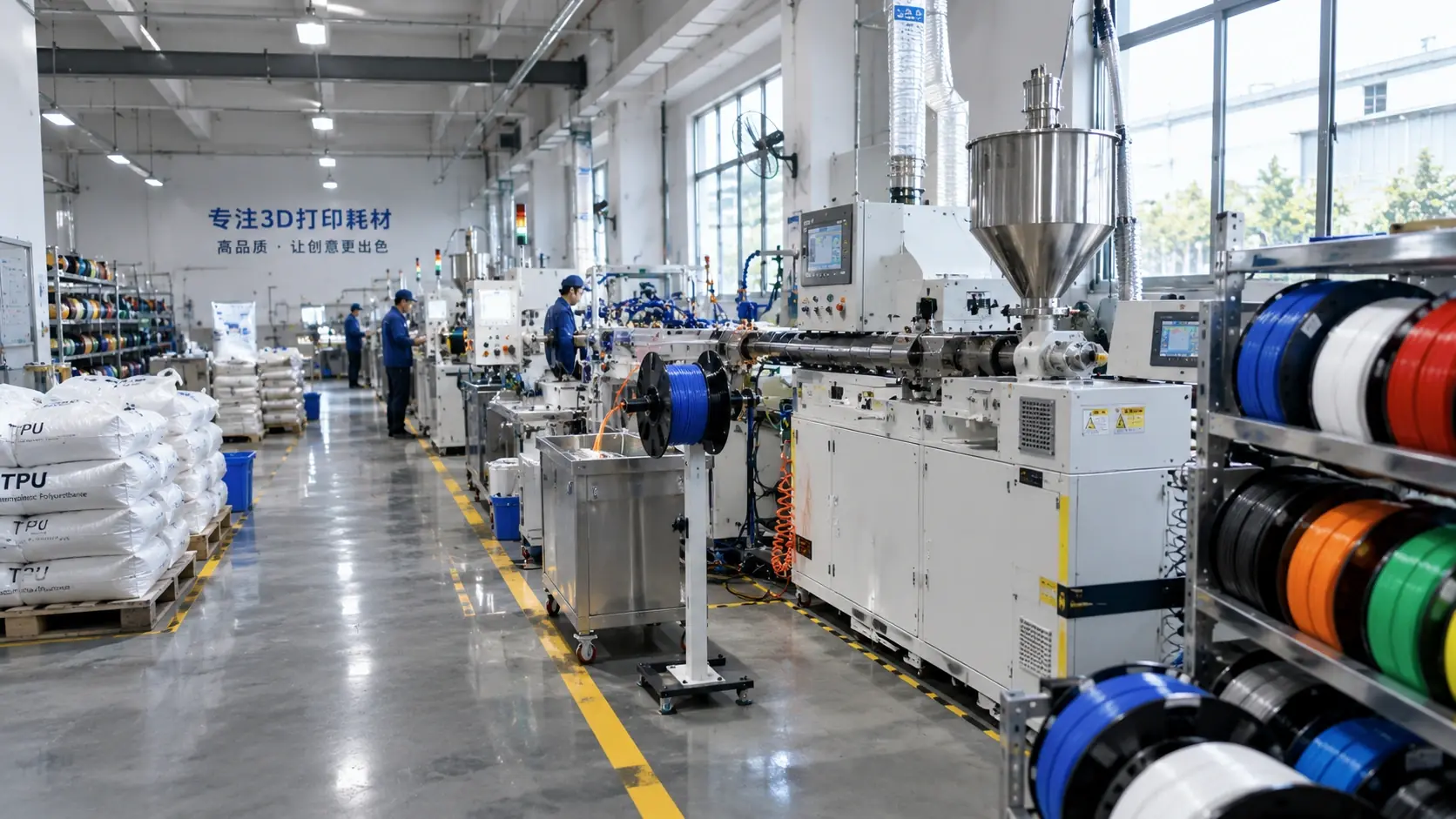
FilamentLab has established a quality control system covering raw materials, production processes, finished products, packaging, and shipment. Through standardized manufacturing procedures and multi-stage quality inspections, we continuously improve the stability, consistency, and printing performance of our 3D printing filaments.
We focus not only on meeting basic product specifications, but also on maintaining consistent performance between production batches to support reliable and long-term supply.
01 Raw Material Quality Control
Raw materials are a critical foundation for the performance of 3D printing filament.
FilamentLab inspects and manages key raw materials before they enter production, with attention to material specifications, appearance, batch information, and storage conditions.
Key control areas include:
Material specifications
Material batches
Material appearance
Storage conditions
Material drying condition
Raw material batch traceability
02 Material Drying Control
For moisture-sensitive materials, drying is carried out according to the characteristics of the material and production requirements.
Drying temperature, drying time, and material condition are controlled to reduce the potential impact of moisture on extrusion, filament appearance, and printing performance.
03 Production Process Control
Key production parameters are continuously monitored throughout the extrusion process.
Main control areas include:
Extrusion temperature
Extrusion speed
Drawing speed
Cooling and sizing
Filament diameter
Winding tension
Winding condition
Proper control of production parameters helps improve manufacturing stability and product consistency.
04 Diameter & Roundness Control
Filament diameter and roundness have a direct impact on feeding stability and material flow during 3D printing.
FilamentLab monitors filament dimensions during production, with particular attention to diameter consistency, roundness, and surface condition to reduce printing issues caused by dimensional variation.
05 Appearance Inspection
Filament appearance is inspected during production and finished-product processing.
Key inspection areas include:
Surface finish
Bubbles
Foreign particles
Color variation
Scratches
Filament breaks
Winding condition
Process and finished-product inspections help reduce the risk of defective products entering the packaging stage.
06 Finished Product Inspection
After production, finished products undergo appropriate quality checks according to product specifications and customer requirements.
Depending on the material, inspections may cover product specifications, weight, appearance, and printing performance.
For flexible materials such as TPU, particular attention is also given to flexibility, elasticity, and actual printing behavior.
07 Printing Performance Verification
FilamentLab places strong emphasis on real-world printing performance.
Through practical 3D printing tests, we evaluate extrusion stability, layer adhesion, surface appearance, temperature adaptability, and overall printing performance.
Test results can be used to optimize production parameters and continuously improve product performance.
08 Packaging Quality Control
Products that pass the required inspections are packaged according to standardized procedures.
During packaging, we check product labels, specifications, colors, weight, spools, and outer packaging to ensure accurate product information, complete packaging, and suitability for transportation and storage.
09 Batch Management & Traceability
FilamentLab applies batch management to establish connections between raw materials, production processes, and finished products.
Batch information supports quality management, order management, and analysis of potential product issues, providing a foundation for reliable long-term supply.
10 Continuous Improvement
Quality control is not limited to final product inspection. It is an ongoing part of the entire manufacturing process.
FilamentLab uses production data, inspection results, printing tests, and customer feedback to continuously optimize material formulations, production parameters, and quality control procedures.
We remain focused on stability, consistency, and real-world printing performance to continuously improve our products and manufacturing processes.
Our Quality Control Focus
Raw Material Control · Material Drying · Process Control · Diameter & Roundness · Appearance Inspection · Finished Product Testing · Printing Verification · Packaging Inspection · Batch Traceability · Continuous Improvement
FilamentLab — Consistency in Every Filament.