
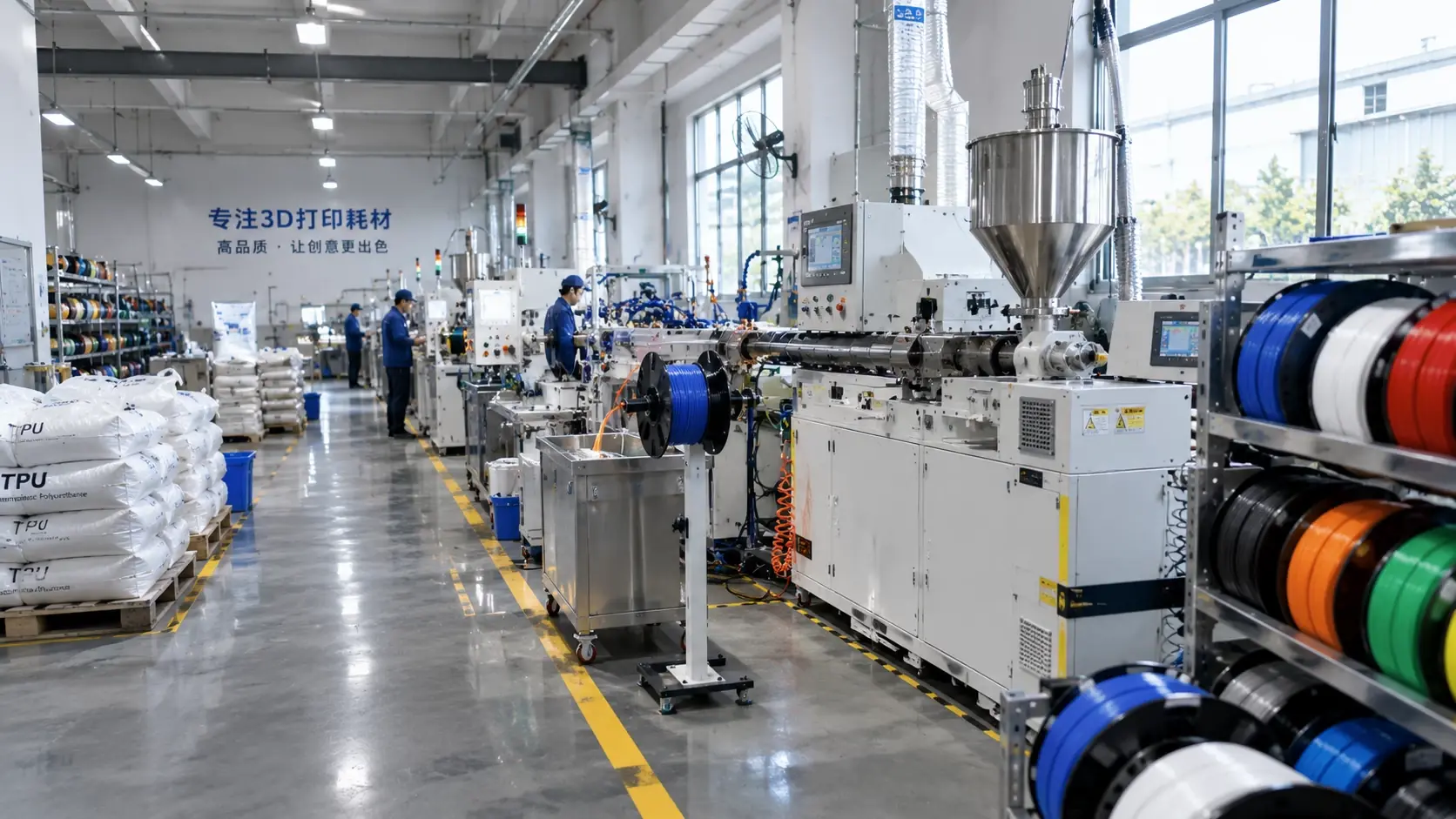
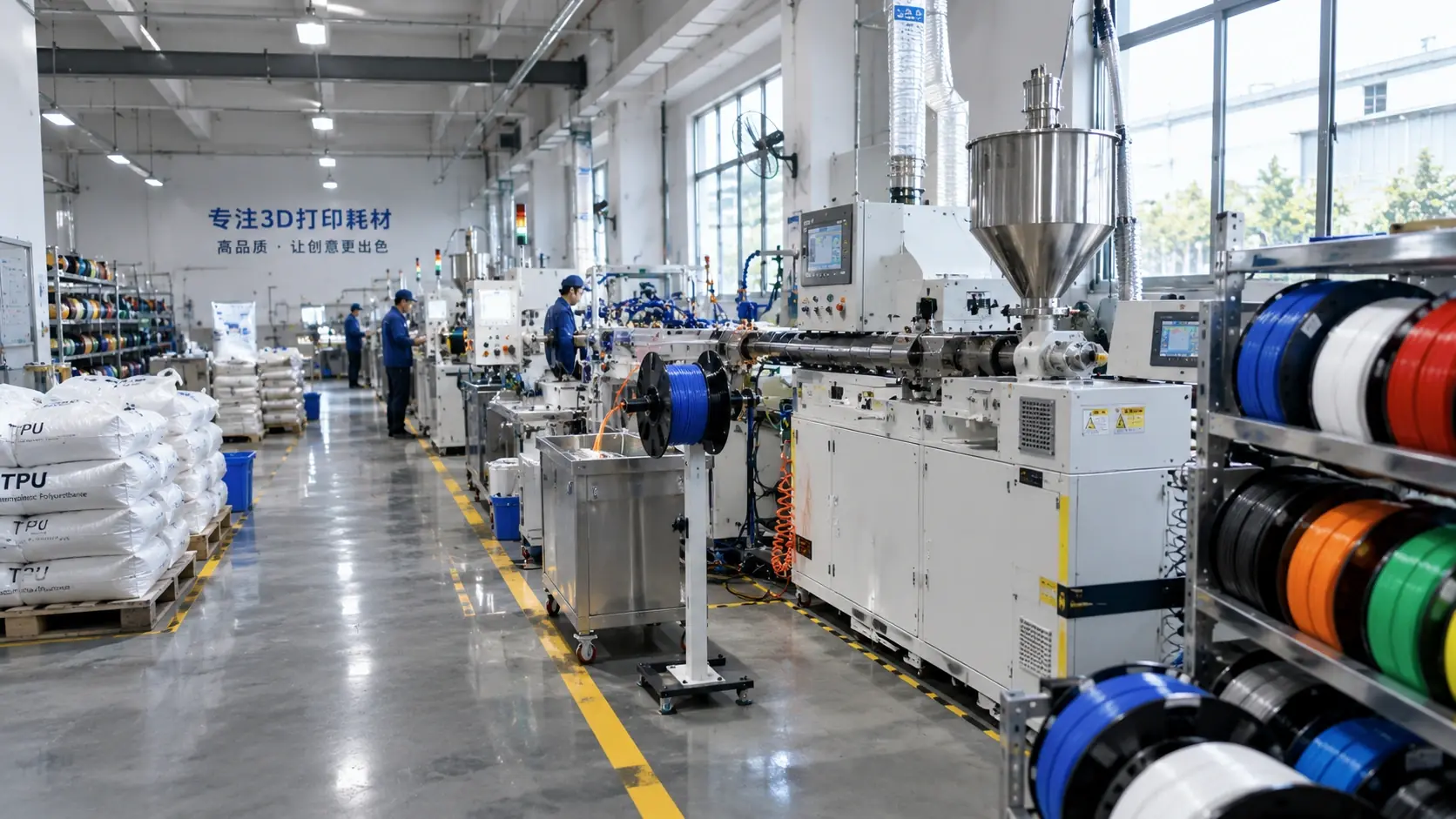
Bottom line: the difference between OEM and ODM is who defines the product and who carries development responsibility. In OEM, the customer provides the specification and the factory manufactures to it. In ODM, the factory contributes to or leads design and the customer brands the result. Intellectual property, tooling ownership, development cost and change rights differ and must be written into the contract.
Side-by-side comparison
| Dimension | OEM | ODM |
|---|---|---|
| Product definition | Customer | Factory-led or shared |
| Development | Customer-led | Factory-led |
| Intellectual property | Usually customer | Must be defined |
| Formulation and tooling | Per contract | Usually factory |
| Time to market | Depends on customer | Often faster |
| Cost structure | Development separate | Development may be amortized |
What the contract should cover
- Specification, acceptance criteria and test methods.
- Development and sample costs and how they are treated.
- Ownership and licensing of formulations, tooling and artwork.
- Change notification and re-validation.
- Exclusivity by territory and term, if any.
- Quality responsibility and remedy.
Costly mistakes
- Treating OEM and ODM as interchangeable.
- Leaving IP ownership undefined.
- Agreeing price without acceptance criteria.
- Skipping re-validation after changes.
- Overlooking label compliance responsibility.
Buyer / engineer checklist
- Who defines the specification?
- How are development and sample costs handled?
- Who owns the formulation and tooling?
- Is the change process defined?
- Is quality responsibility documented?
Share your product goal and volumes and we can help evaluate the right cooperation model.OEM/ODM consultation