
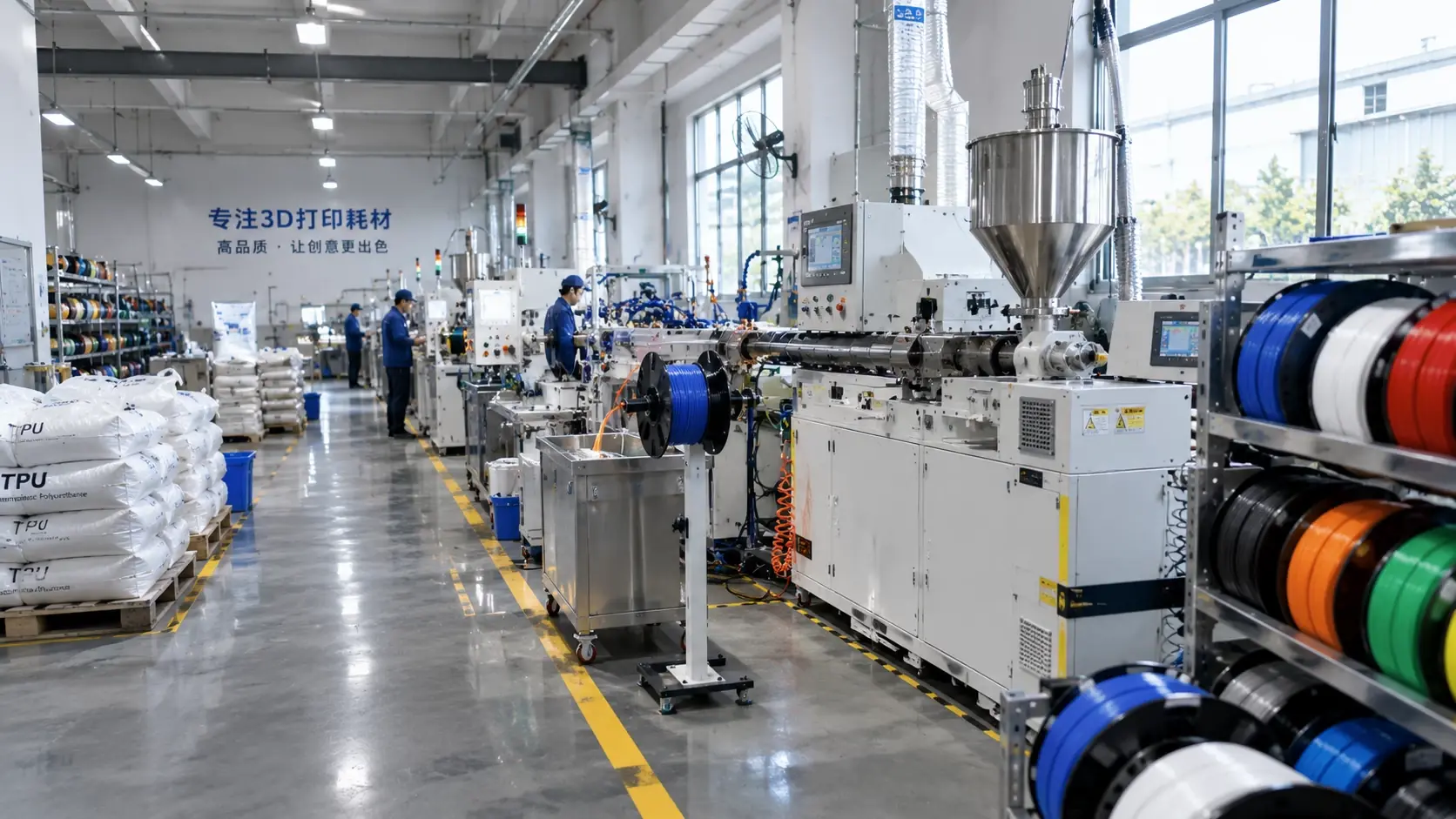
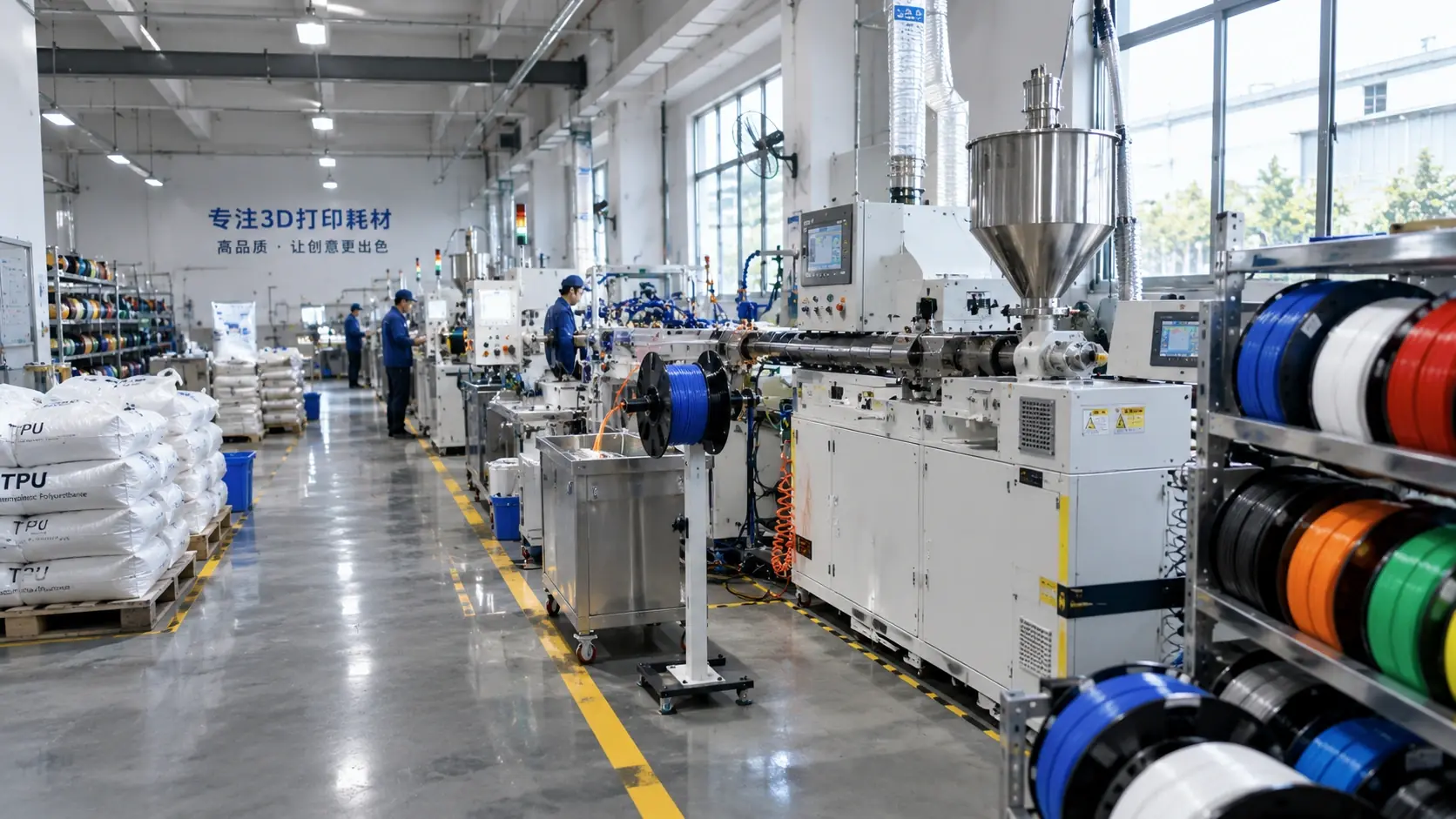
TPU can absorb moisture, and wet TPU prints with bubbles, rough surfaces and weaker layers. Drying is often necessary, especially after long storage or exposure to humid air, but the cycle must be gentle enough not to soften or fuse the spool.
When TPU needs drying
- Bubbles or popping sounds
- Rough or inconsistent surface
- Weak layer adhesion
- Long storage in humid conditions
- New spool without a sealed pack
Use a gentle drying cycle
Typical TPU drying is around 45–55 °C for 4–8 hours, but follow the supplier’s limit. Use low airflow, spread the windings and turn the spool if the dryer has hot spots.
Verify before printing
- Weight before and after
- Surface inspection
- Reference print
- Layer adhesion test
Store correctly
Cool the spool, seal it with desiccant and use a dry box during printing. TPU can regain moisture quickly in a humid workshop.
| Symptom | Likely moisture | Control | Action |
|---|---|---|---|
| Bubbles | Yes | Weight and drying | Dry 4–8 h |
| Rough surface | Possible | Reference print | Dry and retest |
| Weak layers | Possible | Adhesion test | Dry and recalibrate |
| Popping | Yes | Listen and inspect | Stop and dry |
| Stringing | Not always | Temperature/retraction | Check profile |
Common engineering mistakes
- Drying TPU too hot.
- Using high airflow that deforms the spool.
- Skipping the weight check.
- Printing from an open spool.
- Assuming all TPU grades behave the same.
Checklist
- Is the dryer temperature within the TPU limit?
- Was the weight recorded?
- Did the reference print improve?
- Is the spool sealed with desiccant?
- Is a dry box used during printing?
Ask for TPU drying and storage guidance through the quote form.