
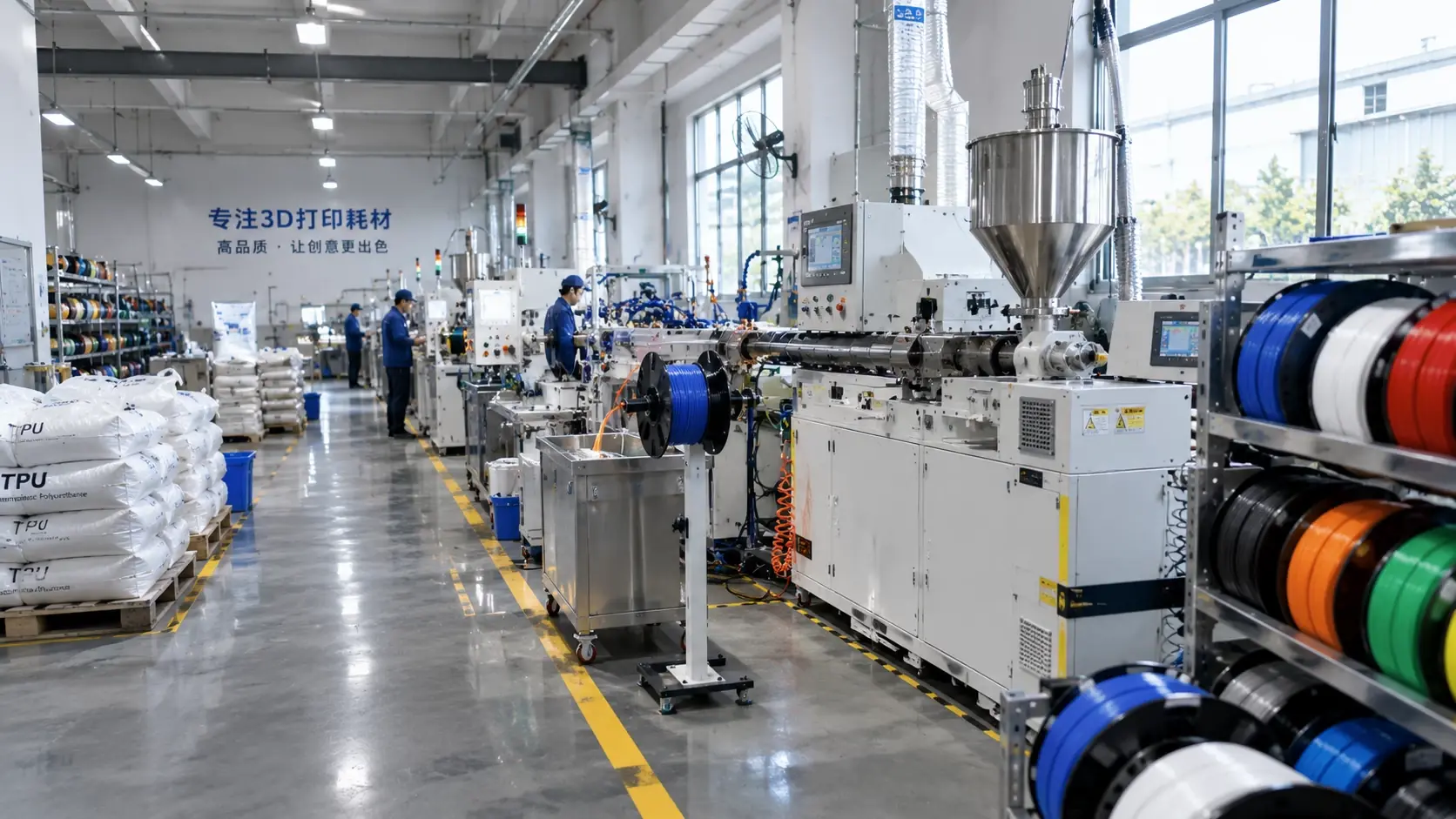
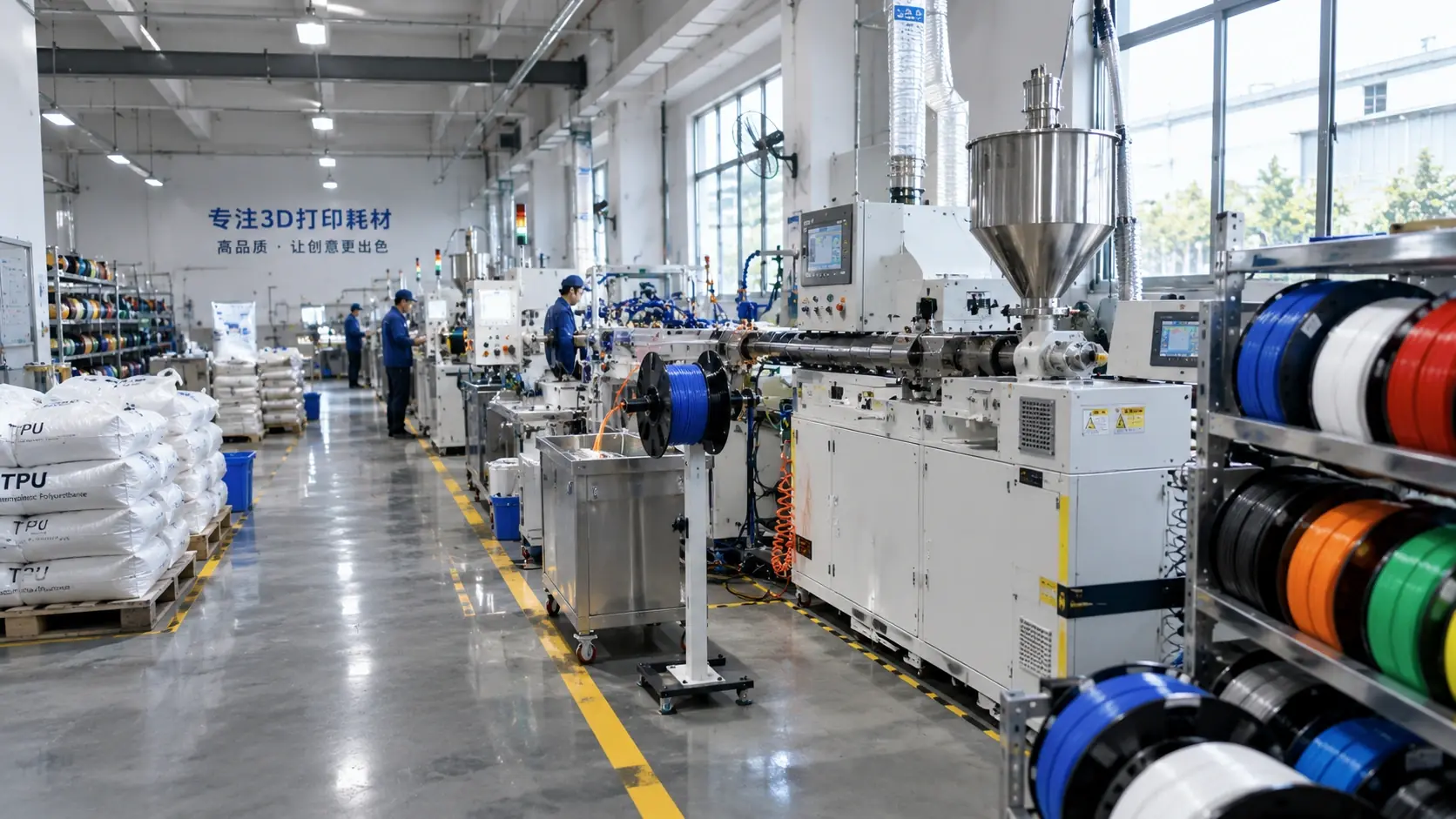
TPU is useful for protective parts because it absorbs impact, grips and accommodates tolerances. The wall, hardness and geometry must be matched to the device and drop risk.
Design requirements
- Device weight.
- Drop energy.
- Contact area.
- Assembly cycles.
Geometry
Use soft corners with a more stable frame. Ribs and cavities can absorb energy without making the whole part rigid.
Test
- Fit.
- Drop.
- Permanent deformation.
| Zone | Design | Risk |
|---|---|---|
| Corner | Cushion | Impact |
| Frame | Stability | Tear |
| Surface | Grip | Wear |
| Opening | Tolerance | Damage |
Common engineering mistakes
- Only choosing soft TPU.
- Too thin walls.
- No assembly check.
- Sharp openings.
- No drop test.
Buyer checklist
- How heavy is the device?
- Where is impact?
- What wall thickness?
- How often is it removed?
- Was impact tested?
Describe device and protection through our quote form.