
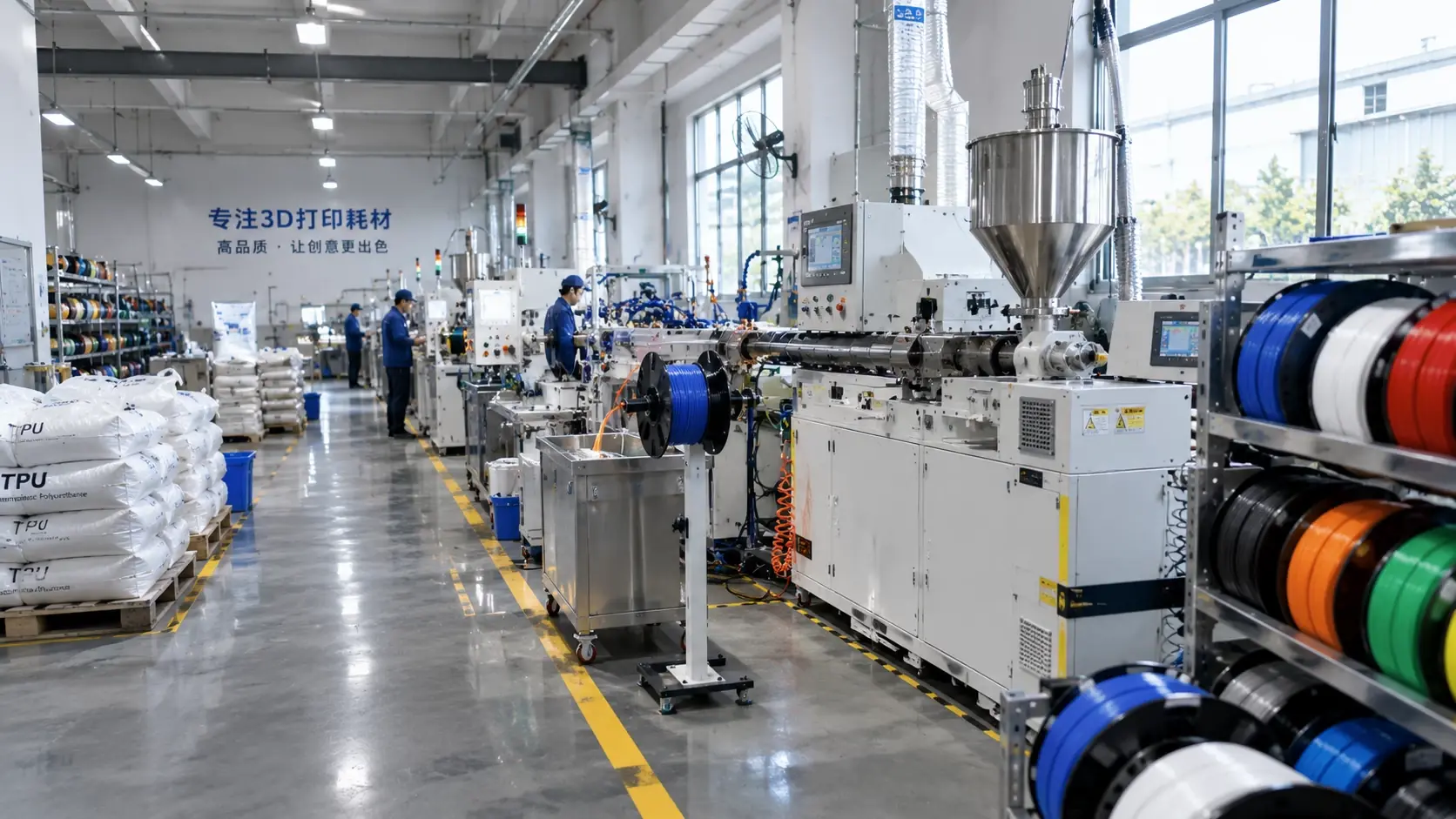
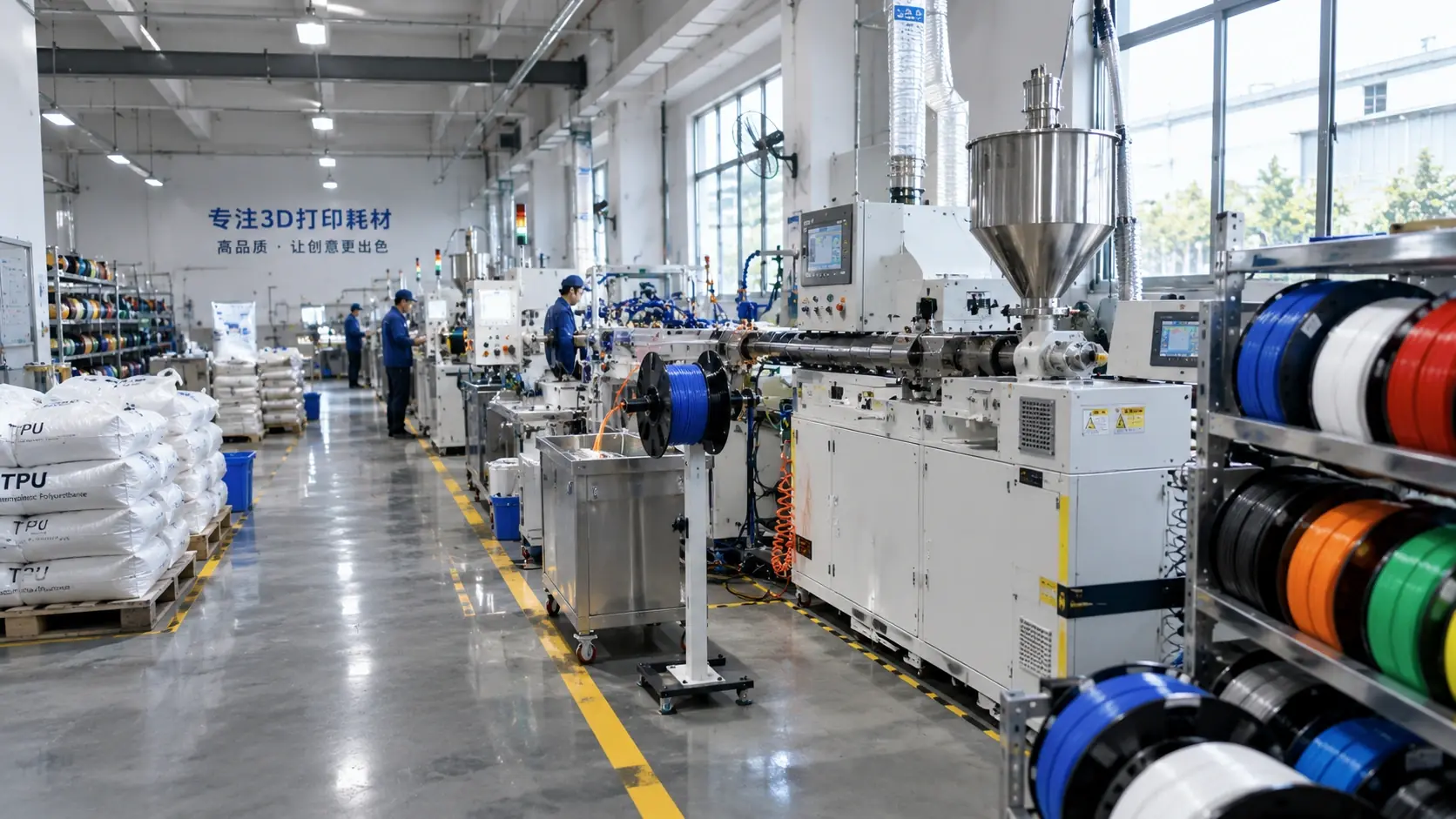
Manufacturers use 3D printing for low-volume parts when tooling cost, lead time or design uncertainty dominate. The decision should compare total cost and risk, not only unit price at high volume.
Where low-volume printing wins
- Bridge production before tooling
- Custom fixtures and jigs
- Spare parts and obsolete components
- Design iteration and pilot runs
Compare the total cost
Include engineering time, tooling, minimum order quantity, inventory, scrap, inspection and change cost. Injection moulding may be cheaper per part but expensive if the design changes or demand never scales.
Match material and process
- Functional load
- Temperature and chemicals
- Surface and tolerance
- Certification requirements
Validate the business case
Print the real geometry, measure cycle time and inspect the first article. Compare the printed route with the conventional route using the same annual volume and service level.
| Factor | 3D printing | Conventional tooling | Decision |
|---|---|---|---|
| Tooling | Low | High | Printing for low volume |
| Unit cost | Higher | Lower at scale | Volume threshold |
| Lead time | Days | Weeks | Urgent parts |
| Design change | Easy | Expensive | Uncertain designs |
| Material range | Broad | Broad | Application fit |
| Surface | Layer-based | Mould finish | Cosmetic parts |
Common engineering mistakes
- Comparing unit price only.
- Ignoring engineering and tooling cost.
- Using a prototype material for production.
- Forgetting certification.
- Calculating with the wrong annual volume.
Checklist
- Is the volume truly low?
- Is tooling cost included?
- Does the material meet the duty?
- Are lead time and risk valued?
- Was the real part validated?
Discuss a low-volume production case through the quote form.