
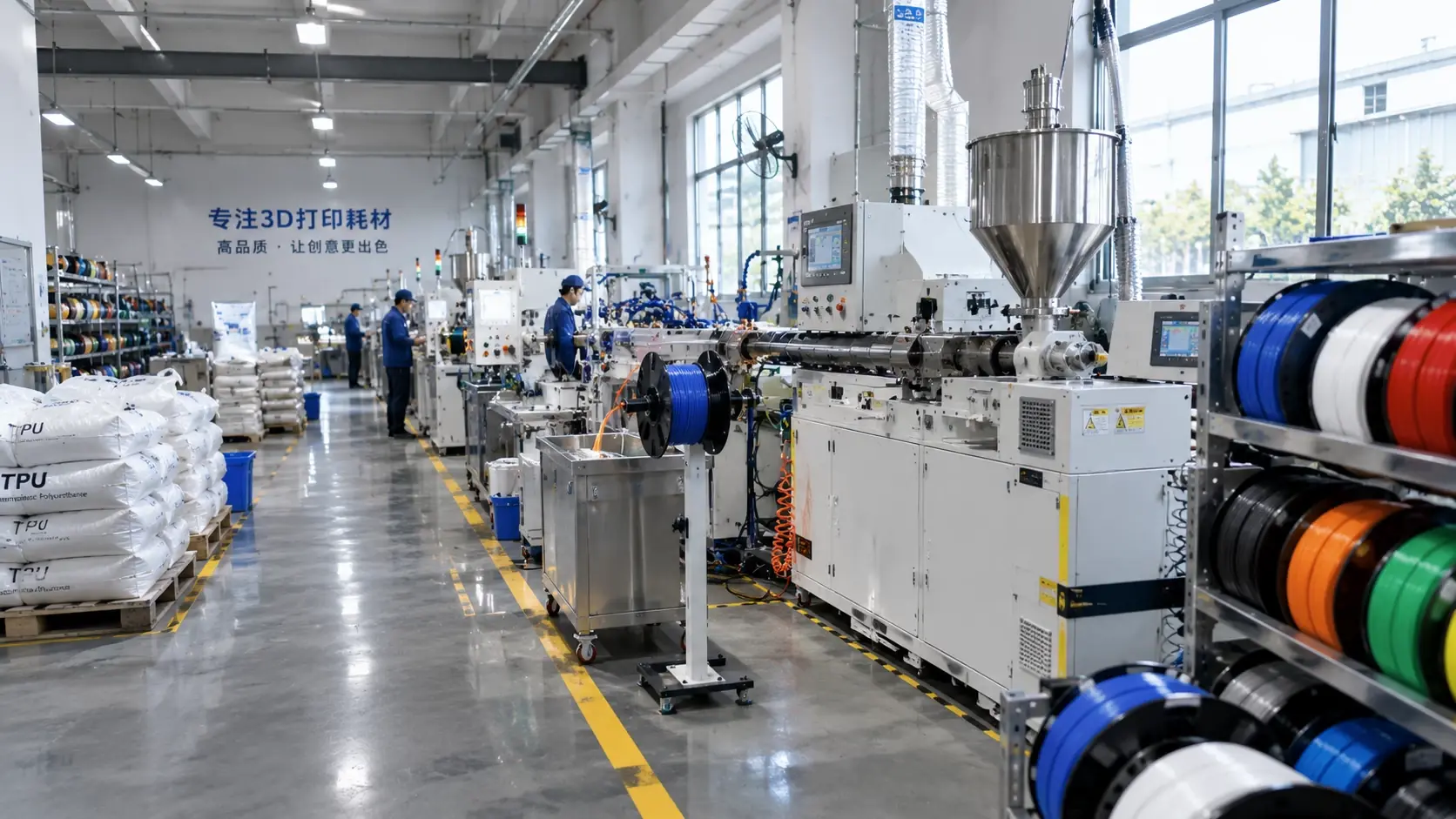
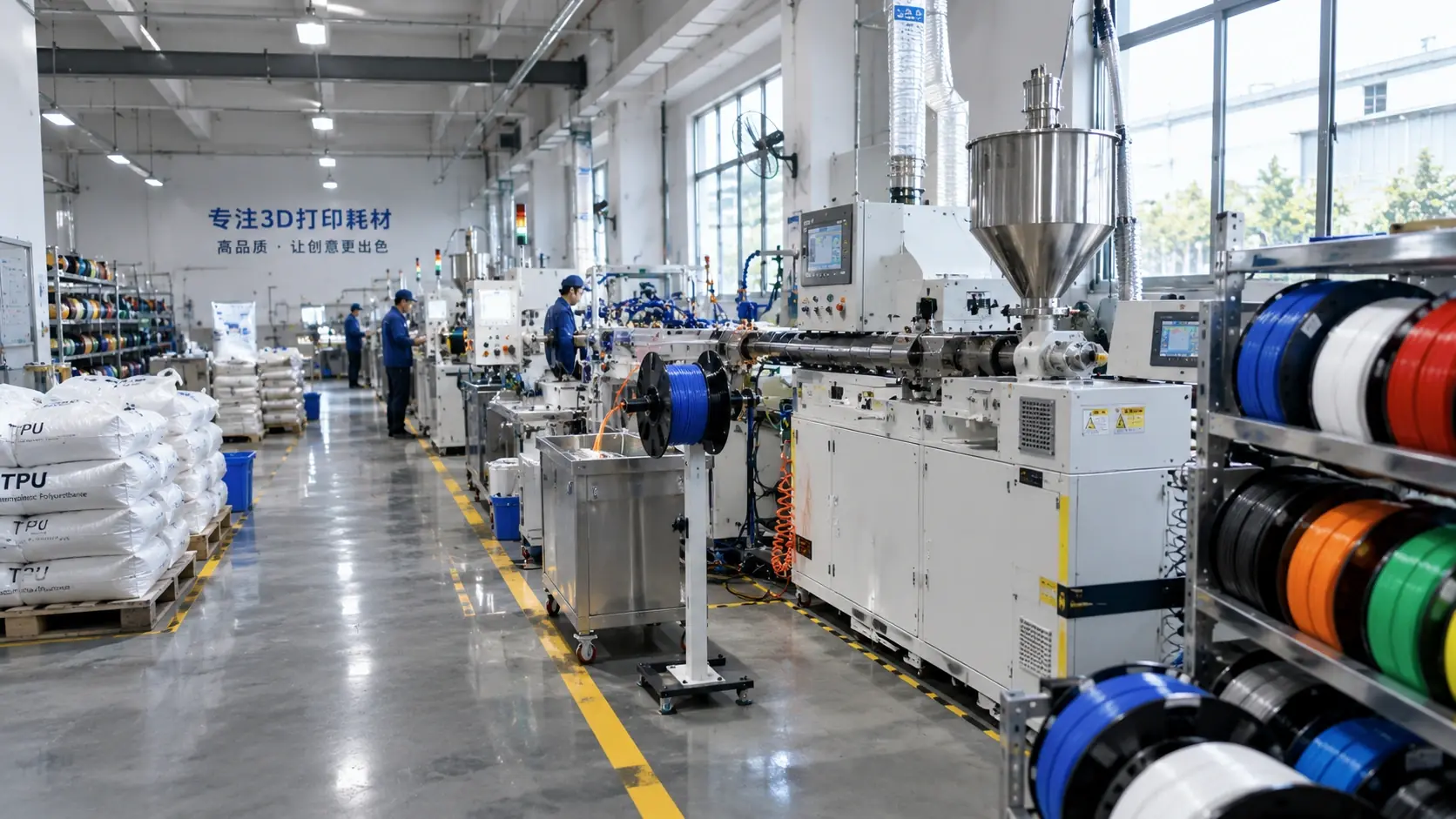
PETG is a practical middle ground for prototyping: tougher than PLA, less prone to warping than ABS, and compatible with many consumer and industrial printers. It is not a universal engineering plastic, but it covers a wide range of functional prototypes.
Where PETG wins
- Impact-resistant covers
- Brackets and holders
- Transparent or translucent parts
- Chemical-resistant trays
Understand the limits
PETG has moderate heat resistance, can creep under sustained load, and absorbs moisture. It also strings more than PLA, so temperature, retraction and drying must be controlled.
Prototype workflow
- Dry the filament
- Calibrate first layer
- Validate flow and retraction
- Test the real load and temperature
Move to production
When the prototype is approved, confirm that the production material, colour and print profile match the validated sample. A prototype made with one grade is not proof for another.
| Property | PETG advantage | Limit | Prototype use |
|---|---|---|---|
| Toughness | High | Lower stiffness | Covers and clips |
| Warping | Low | Better than ABS | Large flat parts |
| Heat | Moderate | Creep | Indoor parts |
| Transparency | Good | Moisture | Light covers |
| Printability | Easy | Stringing | General prototypes |
Common engineering mistakes
- Treating PETG as high-temperature plastic.
- Ignoring drying.
- Using the same profile for every brand.
- Validating one small part.
- Skipping load tests.
Checklist
- Is the temperature within range?
- Is the filament dry?
- Is the profile calibrated?
- Is the real load tested?
- Is the production grade the same?
Request PETG prototype guidance through the quote form.