
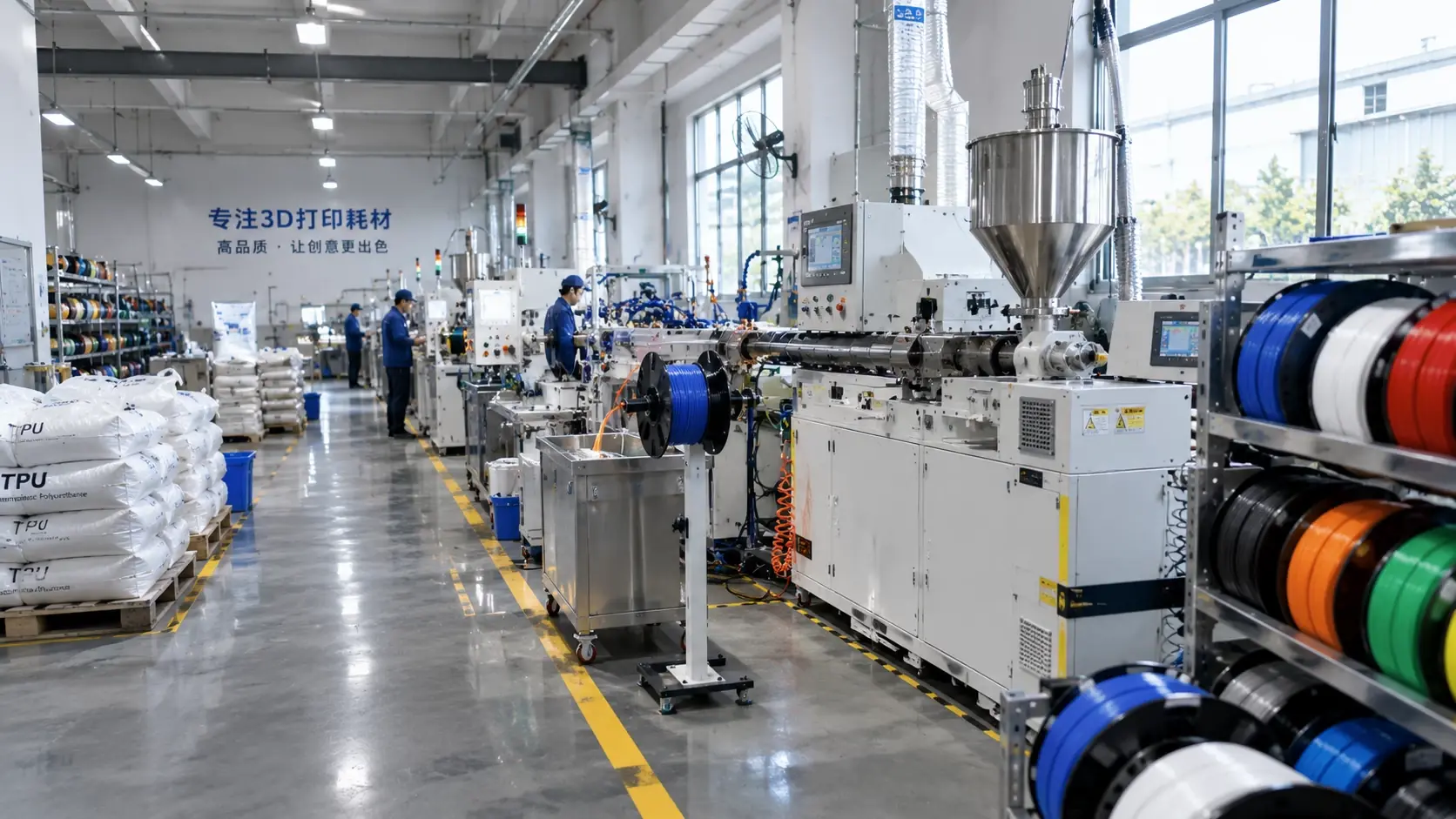
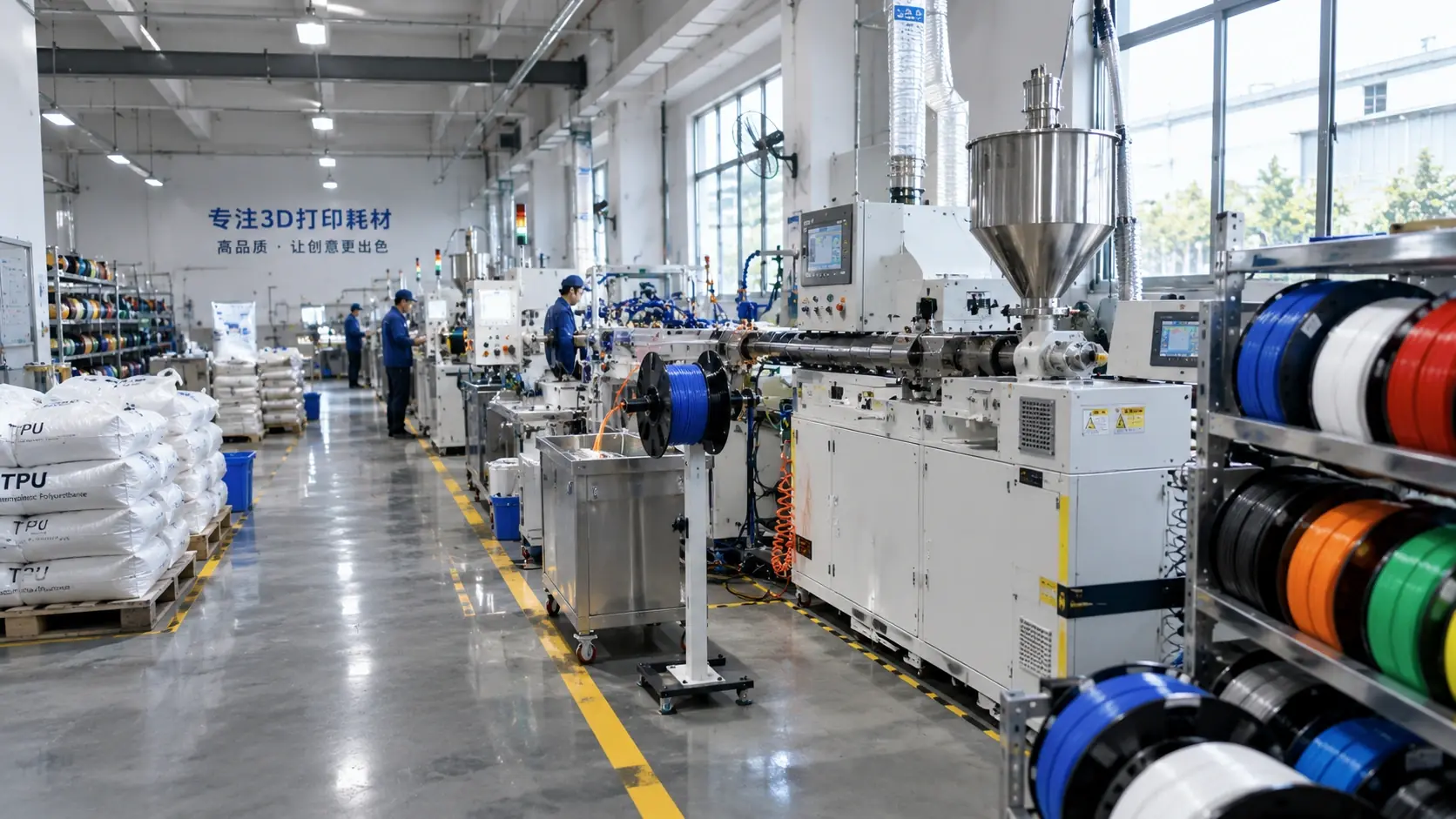
PETG stringing is usually a balance problem: too much heat, too much ooze and a travel move that gives the filament time to escape. Fix the easy variables first, then tune retraction.
This guide focuses on petg stringing and the checks that matter most in practice.
Why PETG strings
PETG is a semi-viscous material. It keeps flowing after the extruder stops, especially when the nozzle temperature is high or the filament has absorbed moisture. Long travel moves and a dirty nozzle make the effect worse.
How to reduce stringing
- Dry the filament if it has been exposed to humid air.
- Lower nozzle temperature in small steps.
- Tune retraction length and speed with a test model.
- Increase travel speed to shorten ooze time.
- Clean the nozzle and check for a worn tip.
| Check | Effect |
|---|---|
| Nozzle temperature | Lower temperature reduces ooze |
| Retraction | Controls pressure release |
| Travel speed | Shorter ooze time |
| Moisture | Dry filament prints cleaner |
Common mistakes
- Copying PLA retraction settings directly.
- Chasing zero stringing instead of acceptable stringing.
- Changing temperature and retraction at the same time.
FAQ
Can wet PETG cause stringing?
Yes. Moisture increases bubbling and ooze. Dry the spool and retest before changing more settings.
What retraction should I start with?
Follow your printer and hotend manufacturer. Start short, test, and increase only if needed.
Conclusion
PETG stringing rarely has one magic setting. Dry the material, lower excess heat, shorten ooze time and calibrate retraction in small steps.
Practical notes
Record the exact profile, material batch and ambient conditions. A setting that works on one printer may not transfer directly to another. Print small test pieces before a production part, and log temperature, speed, flow and drying. Use the supplier TDS as the first reference; treat community settings as a starting point only.
Related pages - Materials - Print profiles - Request a quote