
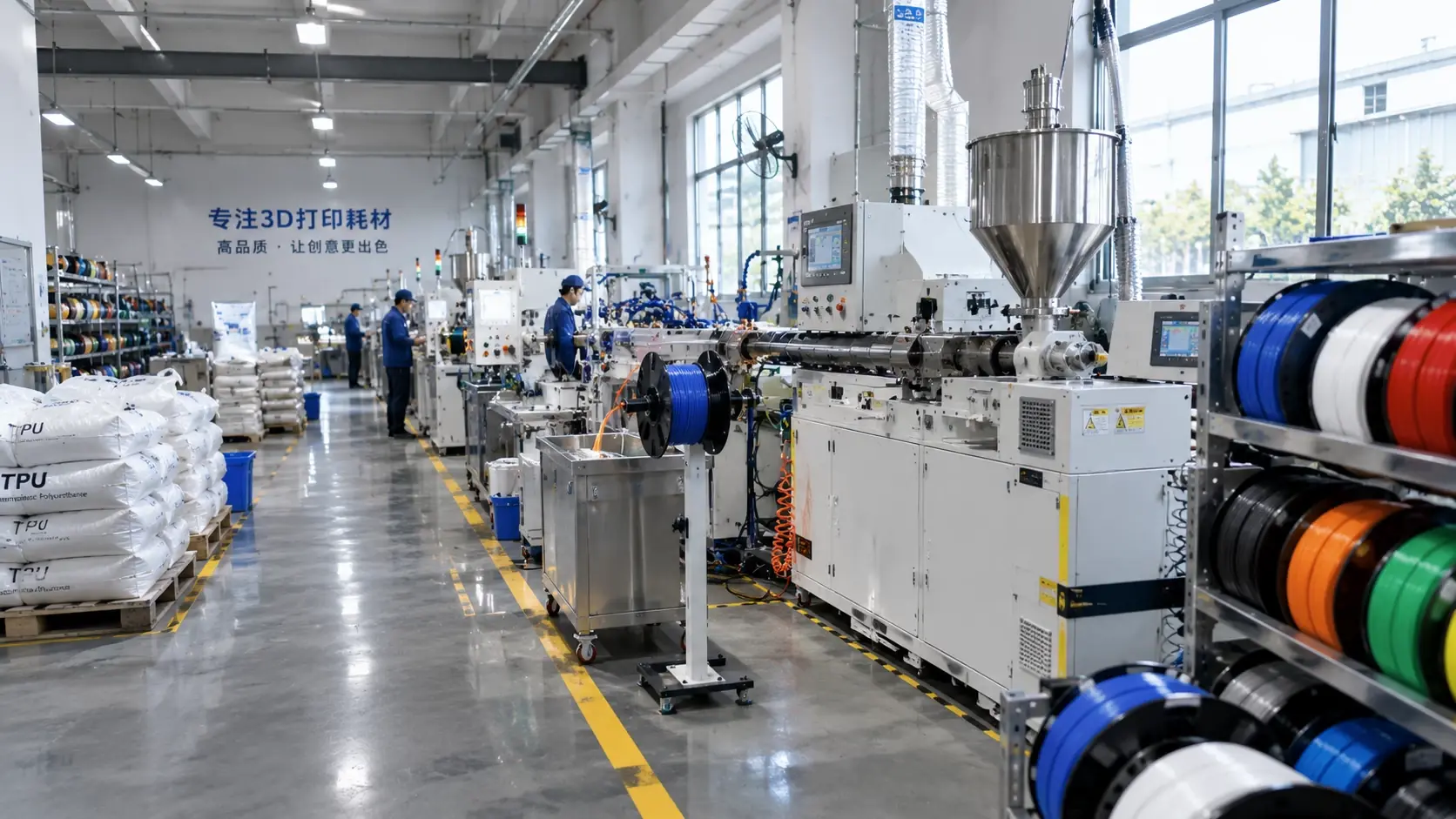
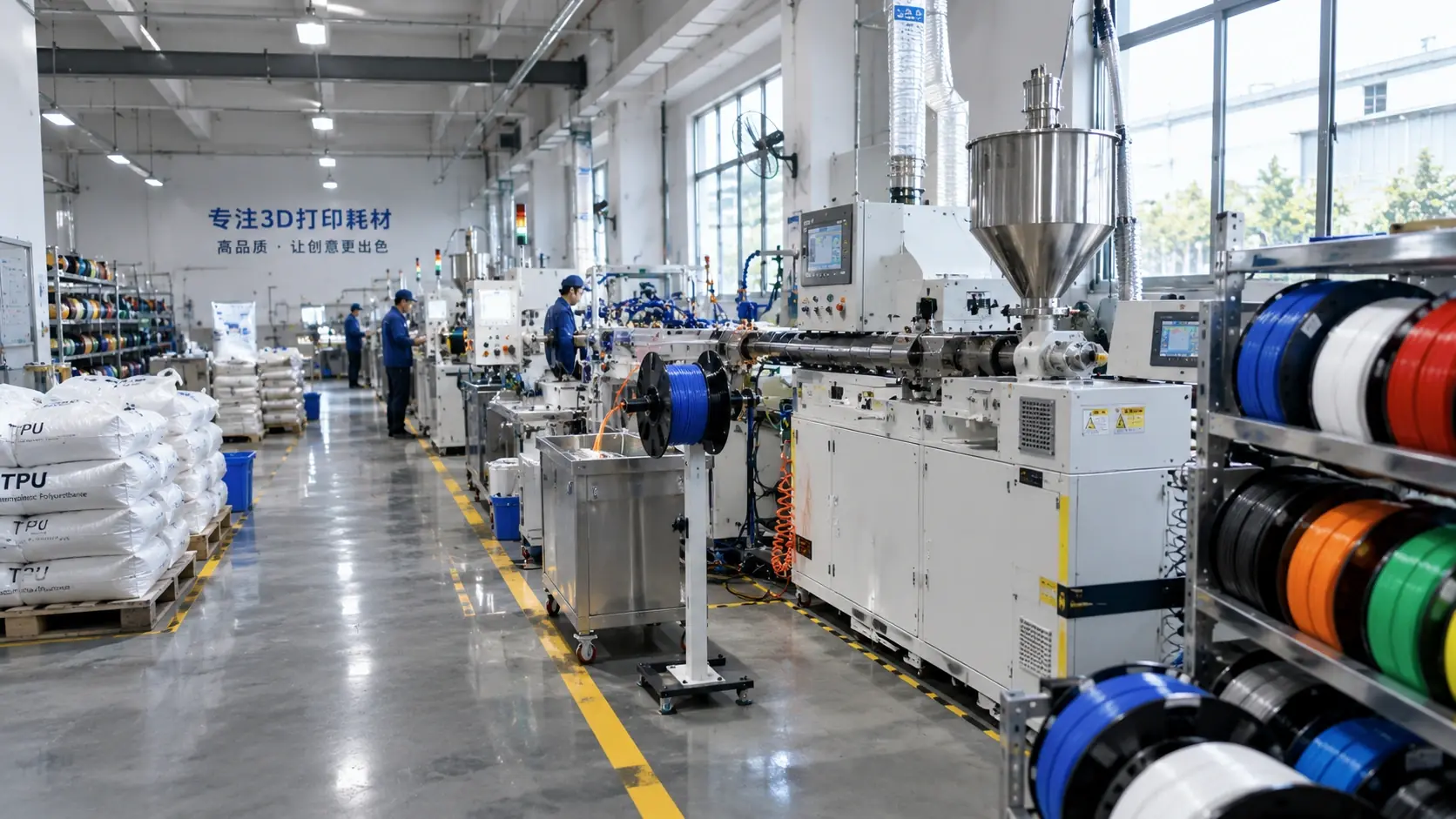
TPU can bond very strongly to smooth build surfaces. Removing it cold or with a sharp tool can tear the part, damage the sheet or injure the operator. Release should be controlled and gradual.
Why TPU sticks so firmly
- Soft material conforms to the surface
- High first-layer contact
- Smooth PEI or glass
- Static and suction effects
Use temperature and geometry
Let the bed cool completely when the surface allows release. A thin flexible sheet can be gently flexed. For very strong bonds, use a glue stick as a release layer, a textured surface or a brim that can be cut away.
Remove safely
- Never pry with a blade toward the hand
- Use a plastic scraper at a shallow angle
- Work around the perimeter
- Support the part while flexing
Prevent the next problem
Adjust Z and first-layer flow if the part is over-squashed. Record the surface, temperature and release method that worked so the next TPU job is predictable.
| Method | Risk | Best for | Cautions |
|---|---|---|---|
| Cool and flex | Low | Flexible sheets | Support the part |
| Plastic scraper | Medium | Glass and PEI | Shallow angle |
| Glue release layer | Low | Strong adhesion | Clean after |
| Textured surface | Low | TPU parts | Surface finish |
| Raft or brim | Medium | Large areas | Cut away |
Common engineering mistakes
- Prying with a knife.
- Removing hot TPU.
- Using a metal scraper on PEI.
- Twisting a thin part.
- Ignoring over-squash.
Checklist
- Did the bed cool?
- Is the tool plastic and blunt?
- Is a release layer needed?
- Is the part supported?
- Was Z adjusted after the issue?
Ask for TPU first-layer and release guidance through the quote form.